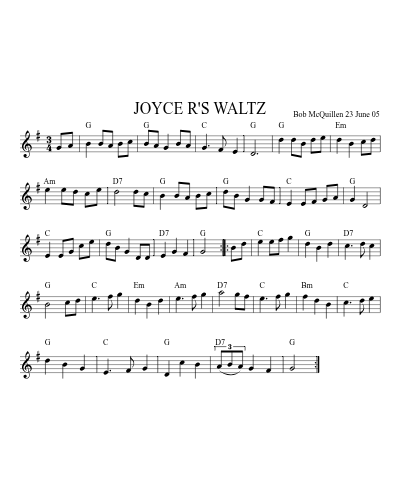
Interactive Sheet Music
Press Play to hear the piece, or click any measure to start from there. Use the controls to adjust tempo, loop sections, and toggle the metronome.
How to Use the Practice Player
Press Play to Start
The player above is ready with the first section. Hit the Play ▶ button to hear it at a slow tempo — follow the highlighted cursor to see which notes are being played, then try playing along on your piano.
Play Along
The section loops automatically. Play along on your piano until you can play it smoothly, then click "Mark Complete".
Move Through the Steps
Click "Practice This Step" on the next step — the player will automatically set the right section, tempo, and metronome for you.
Speed Up Gradually
Each step increases the tempo and section size. By the final steps you'll be playing the full piece at near-performance speed.
Track Your Progress
Your progress is saved automatically. Create a free account to save your progress permanently and pick up where you left off.
Step-by-Step Practice Plan
-
1
Section work - Measures 1-2
Focus on this section at a comfortable working tempo. Iron out any technical challenges before moving on.
-
2
Section work - Measures 3-4
Practice this section with attention to detail. Work on articulation, dynamics, and musical phrasing.
-
3
Connect sections - Measures 1-4
Link these sections together at working tempo. Focus on seamless transitions and maintaining musical continuity.
-
4
Section work - Measures 5-6
Focus on this section at a comfortable working tempo. Iron out any technical challenges before moving on.
-
5
Section work - Measures 7-8
Practice this section with attention to detail. Work on articulation, dynamics, and musical phrasing.
-
6
Connect sections - Measures 5-8
Link these sections together at working tempo. Focus on seamless transitions and maintaining musical continuity.
-
7
Section work - Measures 9-10
Focus on this section at a comfortable working tempo. Iron out any technical challenges before moving on.
-
8
Section work - Measures 11-12
Practice this section with attention to detail. Work on articulation, dynamics, and musical phrasing.
-
9
Connect sections - Measures 9-12
Link these sections together at working tempo. Focus on seamless transitions and maintaining musical continuity.
-
10
Build large section - Measures 1-12
Connect this full 12-bar section. Focus on musical architecture and developing the complete musical narrative.
-
11
Section work - Measures 13-14
Focus on this section at a comfortable working tempo. Iron out any technical challenges before moving on.
-
12
Section work - Measures 15-16
Practice this section with attention to detail. Work on articulation, dynamics, and musical phrasing.
-
13
Connect sections - Measures 13-16
Link these sections together at working tempo. Focus on seamless transitions and maintaining musical continuity.
-
14
Section work - Measures 17-18
Focus on this section at a comfortable working tempo. Iron out any technical challenges before moving on.
-
15
Section work - Measures 19-20
Practice this section with attention to detail. Work on articulation, dynamics, and musical phrasing.
-
16
Connect sections - Measures 17-20
Link these sections together at working tempo. Focus on seamless transitions and maintaining musical continuity.
-
17
Section work - Measures 21-22
Focus on this section at a comfortable working tempo. Iron out any technical challenges before moving on.
-
18
Section work - Measures 23-24
Practice this section with attention to detail. Work on articulation, dynamics, and musical phrasing.
-
19
Connect sections - Measures 21-24
Link these sections together at working tempo. Focus on seamless transitions and maintaining musical continuity.
-
20
Build large section - Measures 13-24
Connect this full 12-bar section. Focus on musical architecture and developing the complete musical narrative.
-
21
Section work - Measures 25-26
Focus on this section at a comfortable working tempo. Iron out any technical challenges before moving on.
-
22
Section work - Measures 27-28
Practice this section with attention to detail. Work on articulation, dynamics, and musical phrasing.
-
23
Connect sections - Measures 25-28
Link these sections together at working tempo. Focus on seamless transitions and maintaining musical continuity.
-
24
Section work - Measures 29-30
Focus on this section at a comfortable working tempo. Iron out any technical challenges before moving on.
-
25
Section work - Measures 31-32
Practice this section with attention to detail. Work on articulation, dynamics, and musical phrasing.
-
26
Connect sections - Measures 29-32
Link these sections together at working tempo. Focus on seamless transitions and maintaining musical continuity.
-
27
Build large section - Measures 25-32
Connect this full 12-bar section. Focus on musical architecture and developing the complete musical narrative.
-
28
Major section - Measures 1-24
Connect this large section. Focus on structural coherence and musical development across the entire passage.
-
29
First half - Strong tempo
Play the first half at a strong working tempo. All sections should connect fluidly. Build momentum!
-
30
Second half - Strong tempo
Practice the second half at strong tempo. Maintain precision while bringing energy and expression.
-
31
Full piece - Polishing
Play the complete piece at near-performance tempo. Connect all sections smoothly and add musical expression.
-
32
Full piece - Performance tempo
Almost ready! Play at near-full tempo. Focus on dynamic contrast and bringing out the musical character.
-
33
Performance mastery!
Excellent work! Perform the piece at full tempo with confidence, expressiveness, and musical maturity.
Piano Tips for This Piece
Dynamic Control
Pay attention to dynamic markings (p, f, crescendo). Shape each phrase musically.
Pedalling
Use the sustain pedal to connect notes smoothly. Lift and press at phrase boundaries.
Section Practice
Isolate difficult passages and loop them at a slow tempo before integrating into the full piece.